Some stories are written. Others emerge synthetically, in collectives.
CUØ draws on expertise in literary theory, sociology of knowledge,
linguistics, and computation to study how stories shape our personal and shared
beliefs.6
Featured projects
Showing 7 out of 8 projects.
-
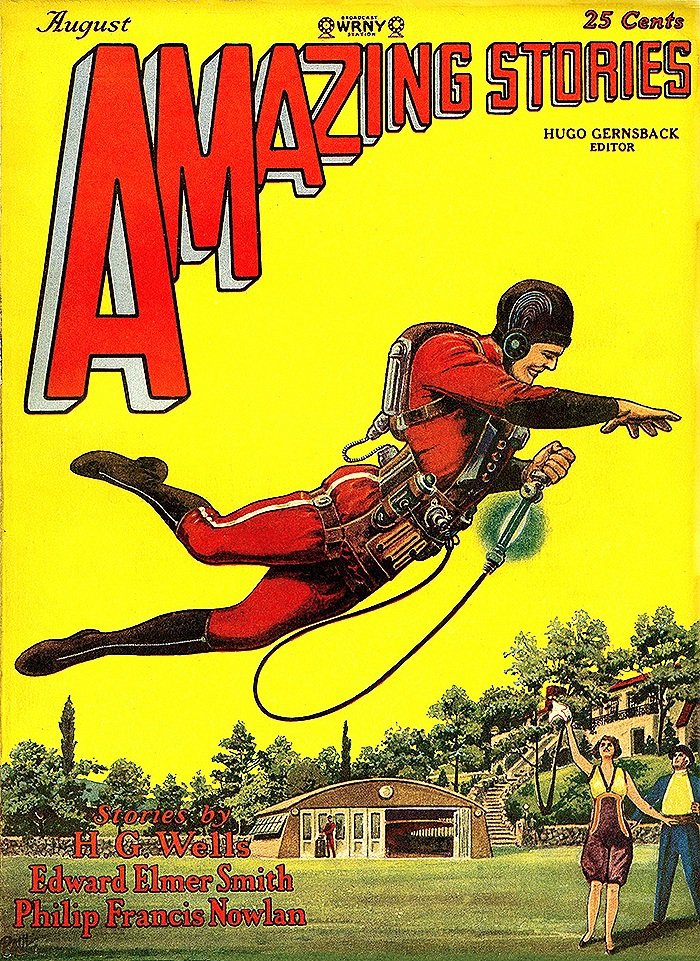
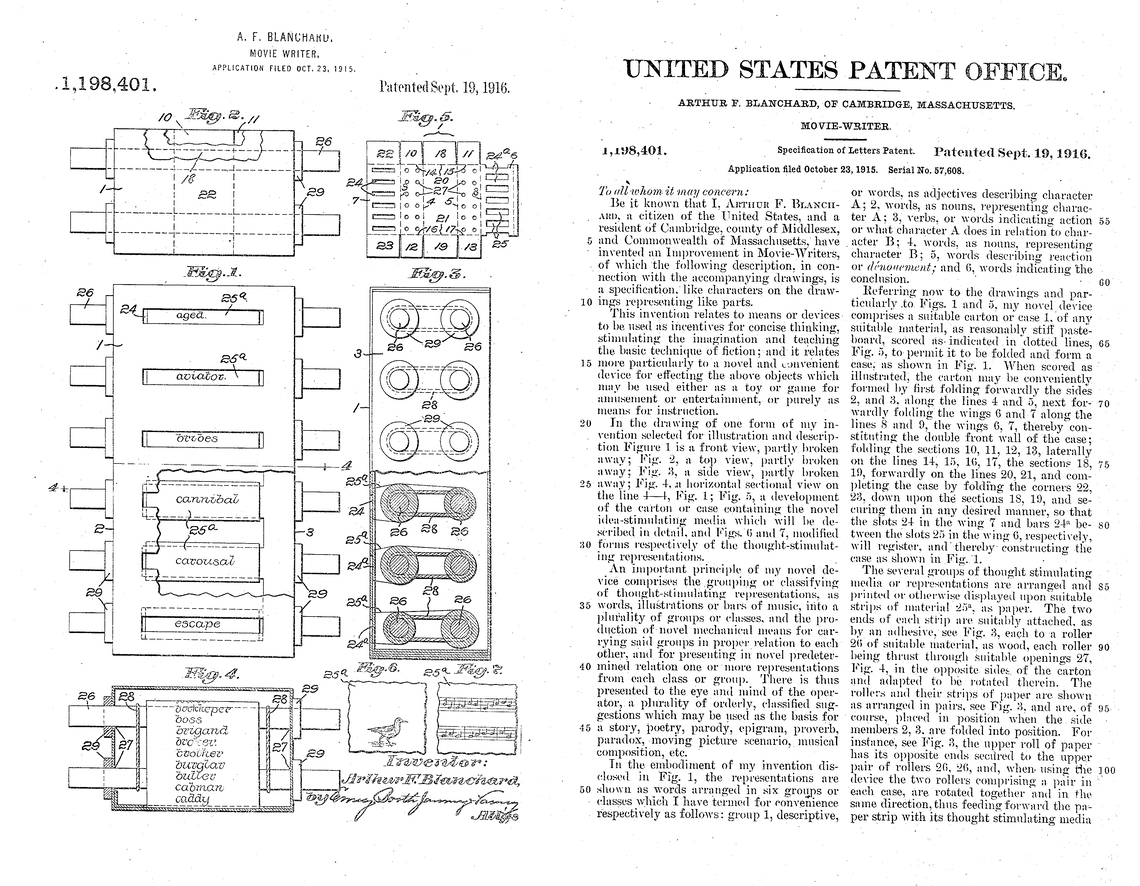
This series of studies examines literary history through changing conditions of creative
labor. We ask how the use of industrial writing techniques, prefabricated forms, distributed
authorship, and other changes in the organization of writing left traces in the texts
themselves. Our approach combines computational analysis with literary-historical and archival
methods to recover a history of popular writing in which changes in prose can be connected to
changes in how literature was produced.
[read more]
-
GTA Vice City Bangla (VCB) is a fan-made Bengali-language modification of Grand Theft Auto:
Vice City, a video game popular worldwide in the early 2000s. Not available officially and too
expensive to import for the then Bengali market, the game attracted a vibrant fanbase of gamers
and developers, who actively pirated, patched, and played the game, usually on shared computers
in cyber cafes. As such, the game represents an often overlooked and ephemeral archive
of software and practices, rapidly receding in cultural memory. Today, under a different
technological regime, it lives in Youtube “let’s play videos” and nostalgic reminiscences
on social media.
[read more]
-
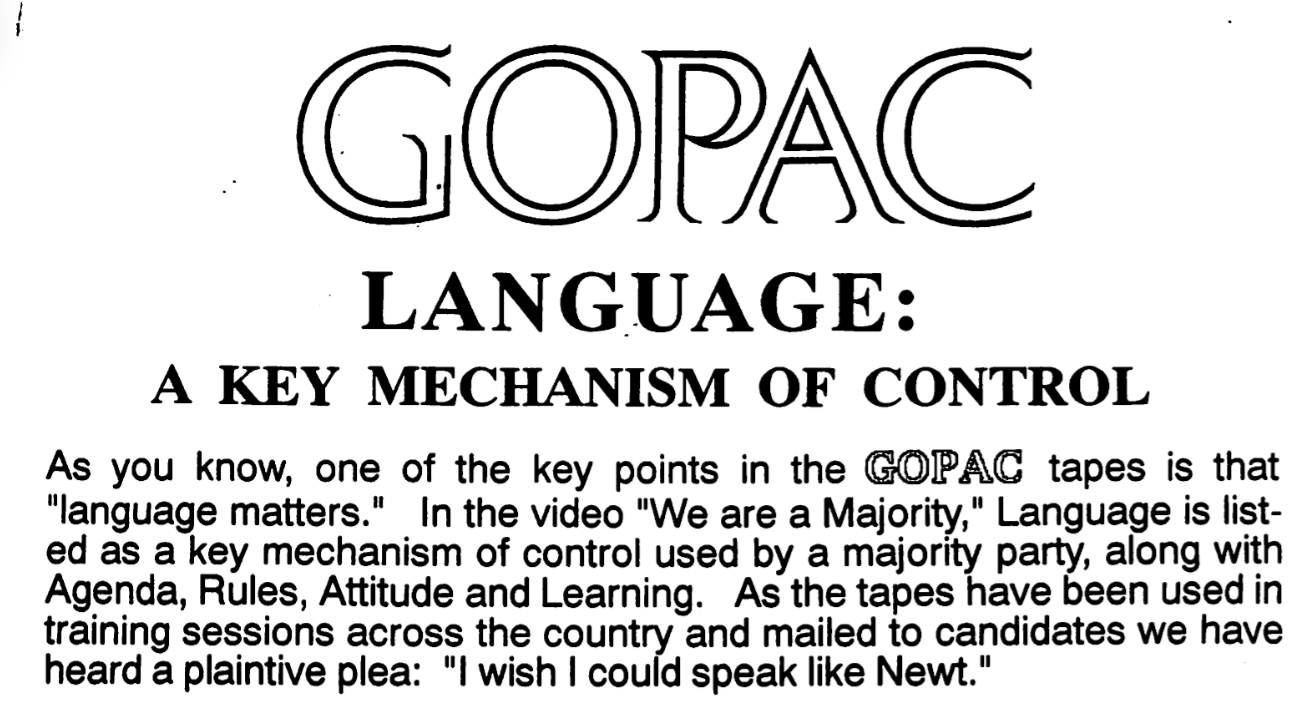
In 1995, Newt Gingrich’s team circulated a memo, containing a list of words to be used for
Republican messaging. These included terms like “common sense, family, pride, and freedom.”
Gingrich later described his goal as nothing less than “reshaping the entire nation through the
news media.”
1 Historians agree these terms had an impact. But to what
extent and how? To answer that question, we propose to treat the memo as a natural experiment
in “keyword injection.” We then analyze the congressional record to capture the dynamics of
term diffusion, revealing a pattern of influence over time.
[read more]
-
-
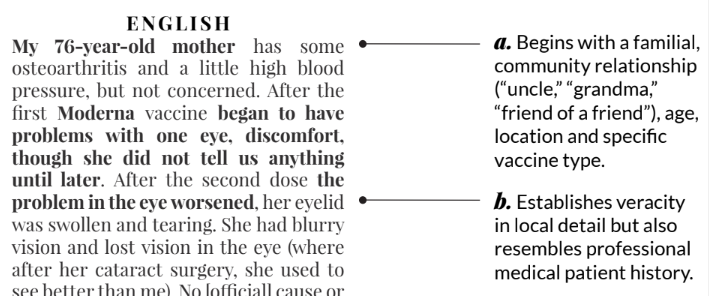
Vaccine hesitancy is not simply a matter of ignorance. Communities around the country are
reluctant to vaccinate for all sorts of reasons: personal, religious, political, medical. By
studying the language of vaccine-related conversations online–using computational
analysis–our team of data and language researchers are revealing the deep seated causes of
vaccine hesitancy, with the hope of improving vaccine messaging and ultimately increasing
uptake.
[read more]
-
In this paper, I propose to reconsider theories of diegetic space which rely on
explicit framing (i.e. “two people walk into a room” or “in Spain”). Rather
than looking for maps, I define space in terms of grammatical categories
denoting objects. The emphasis on objects leads to a method for literary
archaeology, informed by cognitive theory and anthropology.
[read more]
-
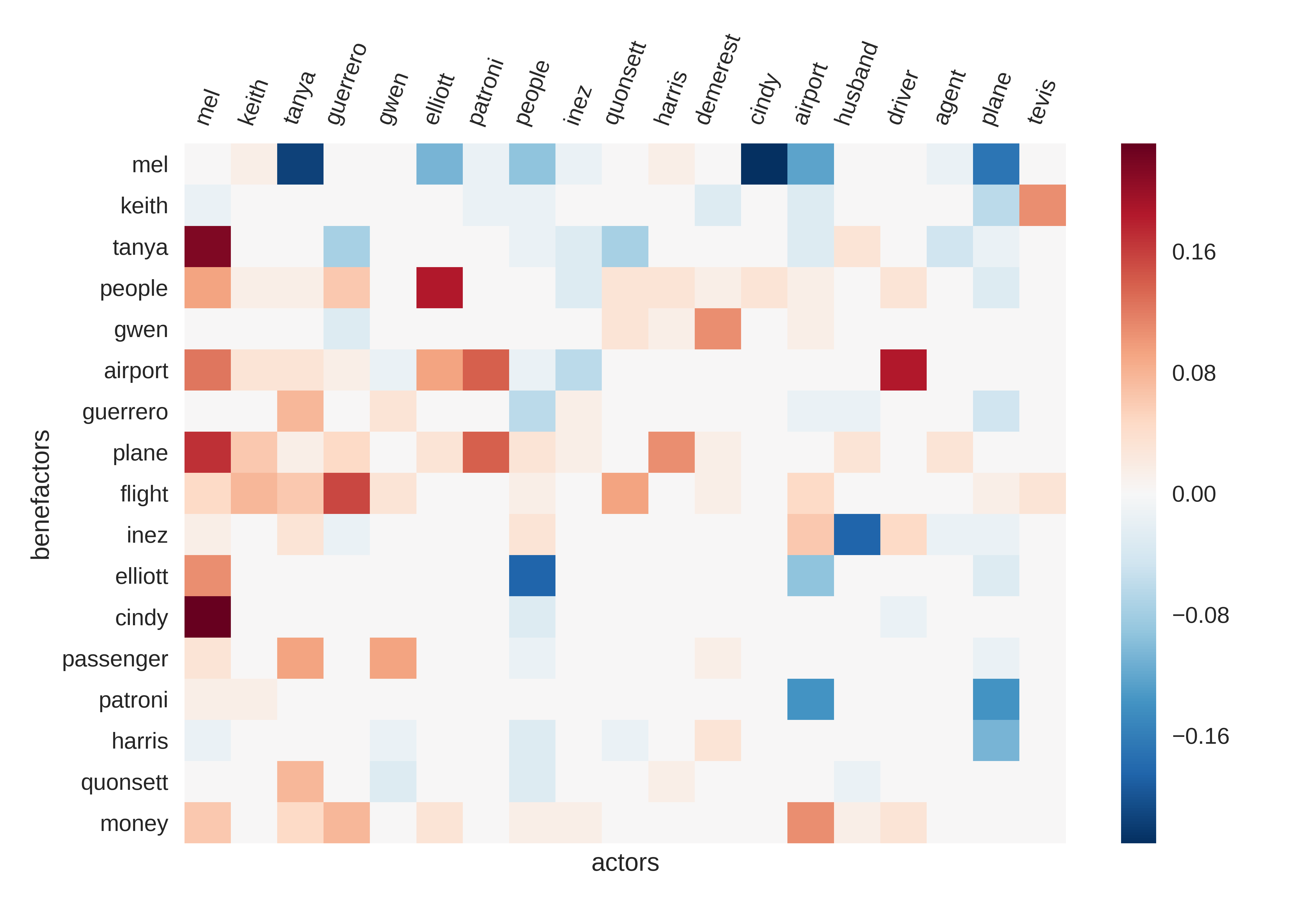
State-of-the-art methods for detecting literary characters often rely on features such
as named entities (i.e. Heathcliff), gender attributes, and evidence of direct speech or
sentience.
The house in
Bleak House (1952–1853) by Charles Dickens, the wheat and the
Railroad Commission in
The Octopus (1901) by Frank Norris, and the airport in Arthur Hailey’s
Airport (1968) are not characters by these measures. Yet we intuit them to act vitally and to
exert an almost hypnotic influence on the action of the novel: “a strange beast that pertains
to no one in particular and who is nobody’s responsibility.”
[read more]